Auto Window Tinting: What to Know About Tint Darkness, Glare Reduction, and Local Tint Regulations
Window tinting offers several practical benefits for vehicle owners, including improved privacy, reduced glare, and protection from harmful ultraviolet (UV) rays. Choosing the right film can also help manage interior temperatures and protect upholstery, dashboards, and other surfaces from sun exposure. However, selecting a window tint involves more than choosing a preferred shade.
Drivers should understand visible light transmission (VLT), consider how different films affect glare and heat, and review applicable state regulations before scheduling an installation. Learning about these factors can help vehicle owners select an appropriate auto window tinting service and make informed decisions about their vehicles.
Several factors influence the growing interest in automotive window tinting, including increased awareness of its practical benefits. According to Maximize Market Research, the global automotive tinting film market was valued at $7.46 billion in 2025. This growth reflects demand for window films that offer a combination of privacy, comfort, and protection from sunlight.
Understanding Window Tint Darkness
Visible light transmission (VLT) measures how much visible light passes through a tinted window. A higher VLT level allows more light into the vehicle, while a lower level creates a darker appearance by limiting the amount of light that passes through the glass. VLT is an important consideration because it affects how easily drivers can see through their windows. Those who frequently drive at night may prefer lighter films that allow more light into the vehicle.
Window films are available in a range of darkness levels, from relatively light shades to much darker options. Lighter films provide a more subtle appearance while maintaining greater visibility, whereas darker films offer additional privacy and a more noticeable change to the vehicle's exterior. The right choice depends on personal preferences, driving conditions, and applicable state requirements.
Drivers who frequently travel during daylight hours may prioritize glare and heat reduction, while those who regularly drive at night might prefer a lighter shade. Families may also consider how window film affects passenger comfort during longer trips. When comparing options through an auto window tinting service, vehicle owners can discuss their priorities with an installation professional and review suitable film choices.
Tint meters provide an objective way to measure visible light transmission through vehicle windows. These devices evaluate how much light passes through the glass and film together, helping determine whether the finished installation meets applicable requirements. Professional measurements are particularly useful when a vehicle has existing tint or when drivers need to verify compliance.
Reducing Glare and Improving Driving Comfort
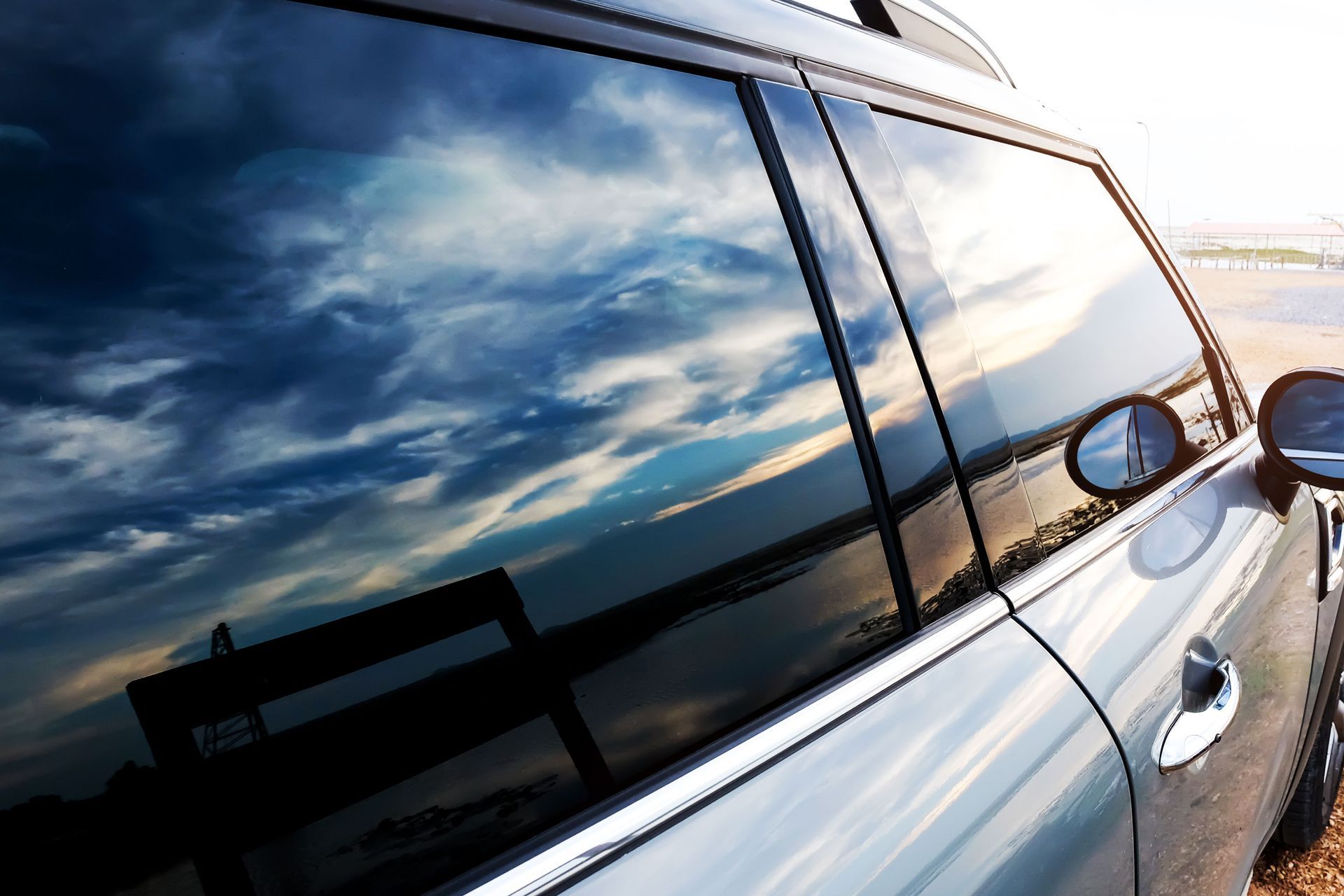
Bright sunlight can make driving uncomfortable, particularly during early mornings, late afternoons, and other periods when the sun sits low in the sky. Reflections from surrounding vehicles, buildings, and road surfaces can also interfere with visibility. Automotive window film helps manage incoming sunlight, reducing glare and making the cabin more comfortable.
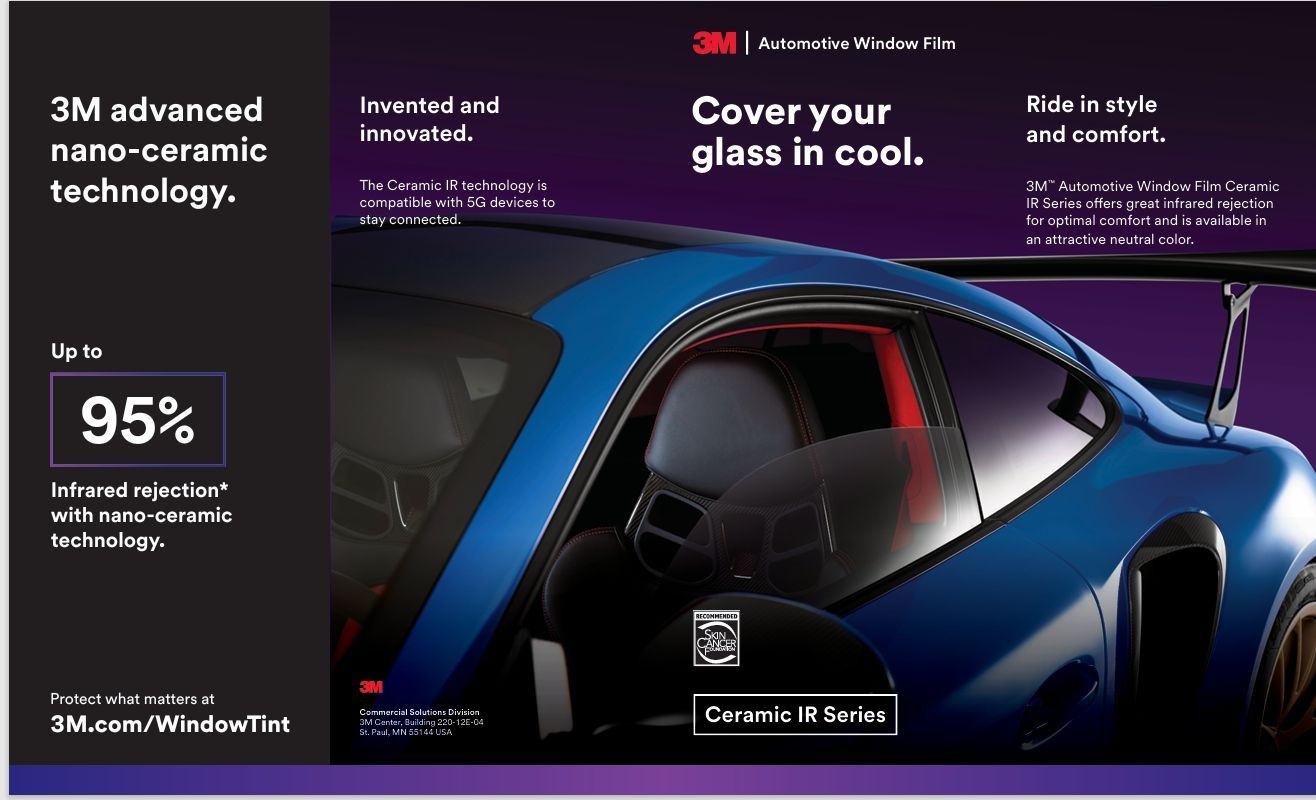
Different film technologies offer varying levels of solar performance. American Car Craft 3 provides dyed, metallic, carbon, and ceramic window films, giving vehicle owners several options to consider. The right choice depends on the desired appearance, heat rejection, and other performance preferences.
Reducing excessive sunlight can help limit eye strain and make everyday driving more comfortable. Glare from bright outdoor conditions can distract drivers and make it harder to maintain a clear view of the road. Window film helps manage incoming light, supporting a more comfortable driving environment.
Auto window tinting service also offers benefits beyond glare reduction. By limiting solar heat entering the cabin, quality window films can help maintain more comfortable interior temperatures during warm weather. This can reduce the need for constant air conditioning and help protect interior materials from prolonged sun exposure.
Auto window tinting is one option for managing glare, but drivers can also use accessories such as polarized sunglasses and adjustable sun visors. Polarized lenses help filter reflected light, while sun visors provide temporary protection against direct sunlight. However, these options do not provide the consistent window coverage offered by professionally installed automotive film.
Each solution serves a different purpose, and drivers may use several approaches depending on their needs. Window film provides a lasting vehicle enhancement that does not require additional accessories every time someone drives. When considering an auto window tinting service, discussing film types and their performance characteristics can help narrow down suitable options.
Following Florida Window Tint Regulations
Window tint regulations vary across the U.S., with individual states establishing requirements for permissible darkness and window placement. These rules generally address how much visible light must pass through the windshield and side and rear windows. Some vehicle categories have different requirements, making it important to review the regulations that apply to a particular vehicle.
Florida has specific requirements governing automotive window tint darkness and reflectivity. Vehicle owners should review current state regulations before selecting a film, especially when considering darker shades. An experienced installation professional can help customers understand available options and choose films that align with applicable requirements.
Installing window film that does not meet state requirements can create legal and financial complications. Depending on the circumstances, drivers may receive citations or be required to correct noncompliant tint. These issues can also create inconvenience if a vehicle needs its film removed or replaced.
Compliance is important for visibility as well as legal reasons. Excessively dark windows can make it harder to see outside the vehicle, particularly after sunset or during adverse weather. Before scheduling installation, vehicle owners should verify the applicable requirements and discuss compliant options with their chosen auto window tinting service.
Some states provide medical exemptions that allow qualifying individuals to use window films darker than standard regulations permit. These exemptions generally require supporting documentation from a healthcare provider and approval through the appropriate state agency. However, eligibility requirements and application procedures differ by jurisdiction.
Drivers considering a medical exemption should review Florida's current requirements and determine what documentation is necessary before installing nonstandard tint. Approval should be obtained through the appropriate channels rather than assumed. Understanding these provisions helps vehicle owners make decisions that account for their individual circumstances while remaining aware of applicable laws.
Choosing Professional Automotive Window Tinting
Selecting window film involves balancing appearance, privacy, heat management, and visibility. Professional installation also plays an important role in achieving a consistent finish and helping prevent common issues such as bubbling, peeling, and uneven application. Working with experienced installers gives vehicle owners an opportunity to compare film technologies and discuss their specific preferences.
American Car Craft 3 offers automotive window tinting in the Brooksville, FL, area and surrounding Tri-County communities. Its team includes 3M-certified installers and offers dyed, metallic, carbon, and ceramic films for different vehicle needs. Most standard tinting projects are completed within one day, and manufacturer warranties are available.
Different film materials offer varying benefits, so it's worth considering how each option aligns with your priorities. For example, drivers may want to compare the appearance, solar performance, and privacy offered by different film types before making a decision. Discussing these differences with an installer can help you choose a window tint that complements your vehicle and driving habits.
With the right film and professional installation, drivers can improve their vehicle's comfort, privacy, and appearance while accounting for state regulations. Taking time to compare available options can help ensure the selected film aligns with personal preferences and everyday driving needs. Contact American Car Craft 3 to discuss your window tinting options and request a free estimate.