Local Laws You Need to Know: Window Tint Regulations in Brooksville, FL
Window tinting can improve a vehicle's appearance while providing practical benefits, including greater privacy, reduced glare, and protection from ultraviolet rays. However, drivers in Brooksville need to understand that window tint is regulated by Florida law. Choosing film that is too dark or excessively reflective can lead to legal issues, citations, and the expense of removing or replacing the tint.
Understanding the rules before scheduling an installation can help drivers make better decisions. Reputable local auto tinting services can help vehicle owners select films that provide the benefits they want while remaining within applicable legal requirements. Whether you are tinting a new vehicle or replacing existing film, knowing the regulations is an important first step.
Window tinting remains popular for several reasons. According to Global Growth Insights, more than 65% of global consumers prefer window tinting films for their UV protection. While this protection is a valuable benefit, drivers should still ensure their chosen tint complies with Florida regulations.
Understanding Brooksville's Window Tint Regulations
Brooksville follows Florida state law regarding vehicle window tinting. The requirements generally focus on visible light transmission, commonly called VLT. This measurement refers to the amount of visible light that can pass through a vehicle's window and the installed tint.
For passenger vehicles, Florida law generally requires front side windows to allow more than 28% of visible light to pass through. Rear side windows and rear windows may generally use darker tint, with different requirements depending on the type of vehicle. Certain multipurpose vehicles may also be subject to different standards.
Tint darkness is not the only consideration. Florida law also limits how reflective window tint can be. Highly reflective film can create glare for other drivers, potentially creating a safety concern. This means a film should meet applicable requirements for both visible light transmission and reflectivity.
Because the rules can vary based on the window and vehicle type, local auto tinting services can help customers better understand their options. A knowledgeable installer can recommend films that meet a driver's goals without unnecessarily creating compliance concerns.
Recognizing the Importance of Legal Compliance
Following window tint regulations is important for more than avoiding a traffic citation. Window tint can affect visibility, particularly when driving at night or during poor weather. Drivers need to clearly see pedestrians, animals, other vehicles, and potential hazards.
Excessively dark tint can reduce the amount of light entering the vehicle and make certain conditions more challenging. This does not mean drivers must avoid window tint altogether. Many modern products are designed to reduce glare, heat, and UV exposure while maintaining appropriate visibility.
Compliance can also help drivers avoid unnecessary expenses. If a vehicle's tint does not meet legal requirements, the owner may receive a citation and eventually need to remove or replace the film. Paying for a second installation can quickly make an initially inexpensive choice more costly.
Drivers should also remember that the finished window matters. The glass itself may already have some tint, meaning an additional film can affect the final visible light transmission measurement. Local auto tinting services can consider these factors before recommending a particular product.
Choosing compliant tint from the beginning can save time and reduce uncertainty. It also allows drivers to enjoy the practical benefits of window film without worrying unnecessarily about potential violations.
Choosing Professional Auto Tinting Services
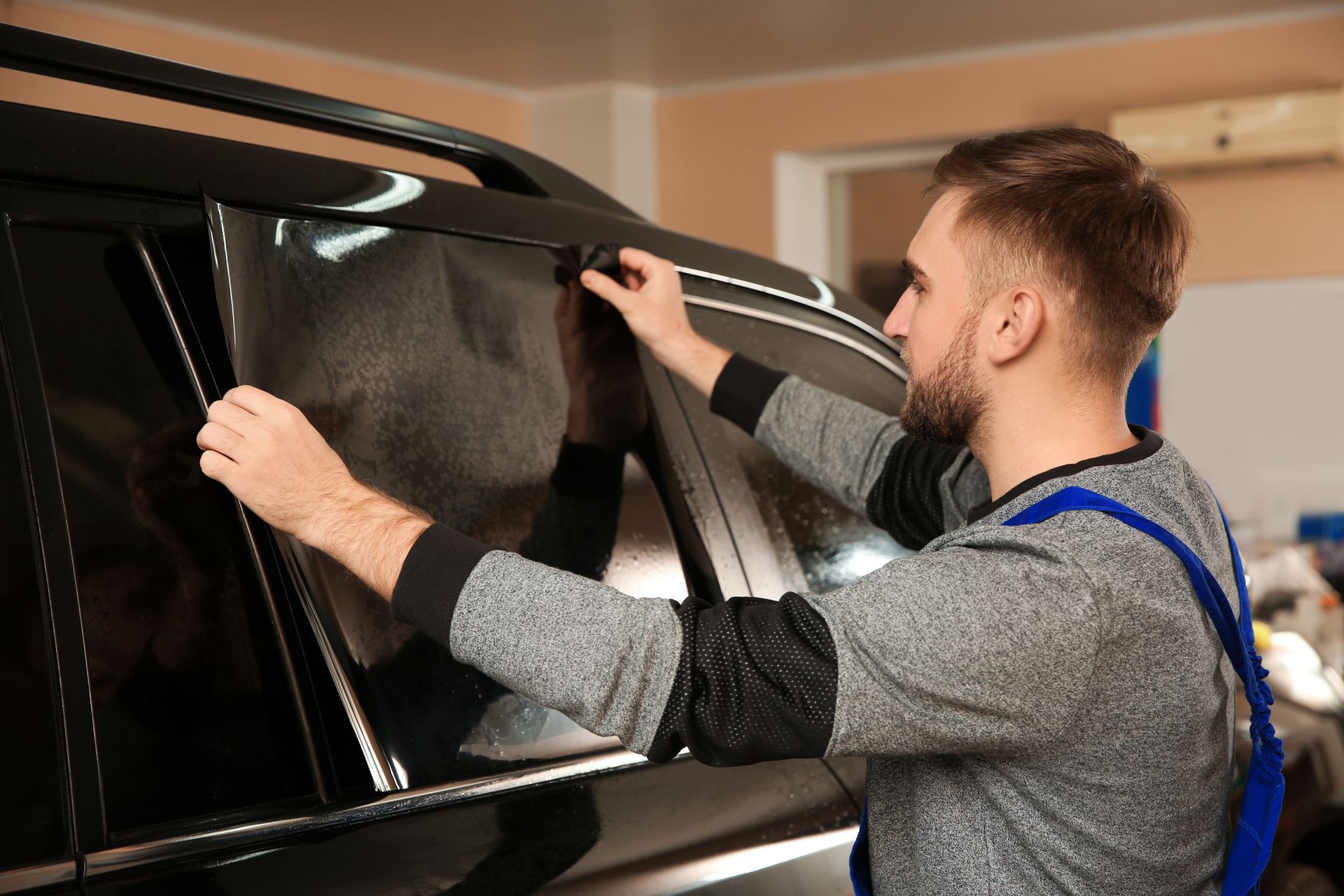
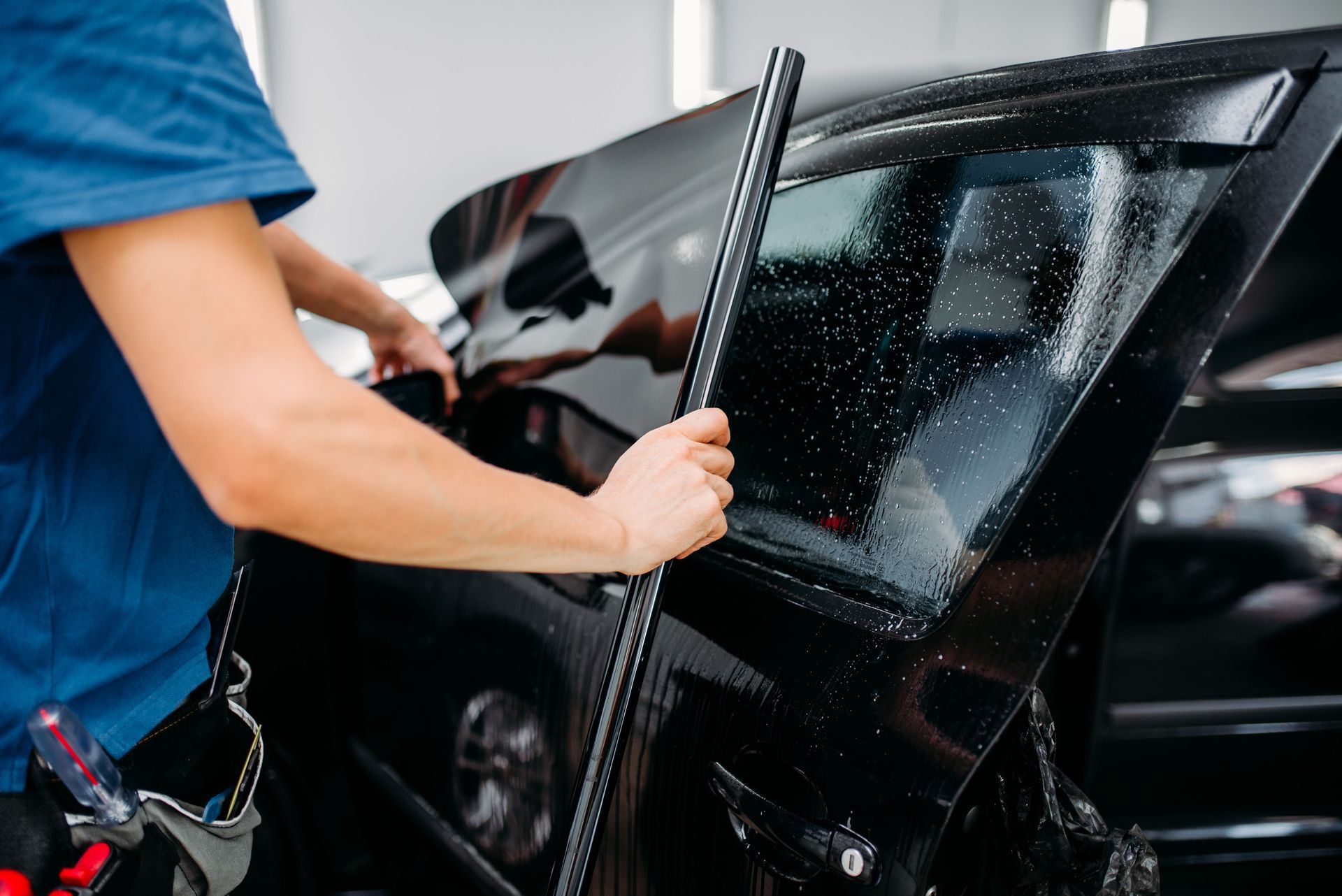
Professional installation can make the tinting process easier and provide better results. Local auto tinting services typically offer multiple film options and can explain the differences in appearance, performance, and visible light transmission.
A knowledgeable installer can discuss a customer's priorities before recommending a product. Some drivers want additional privacy, while others are primarily interested in reducing glare or heat. The darkest available film is not always the best choice for every vehicle or driver.
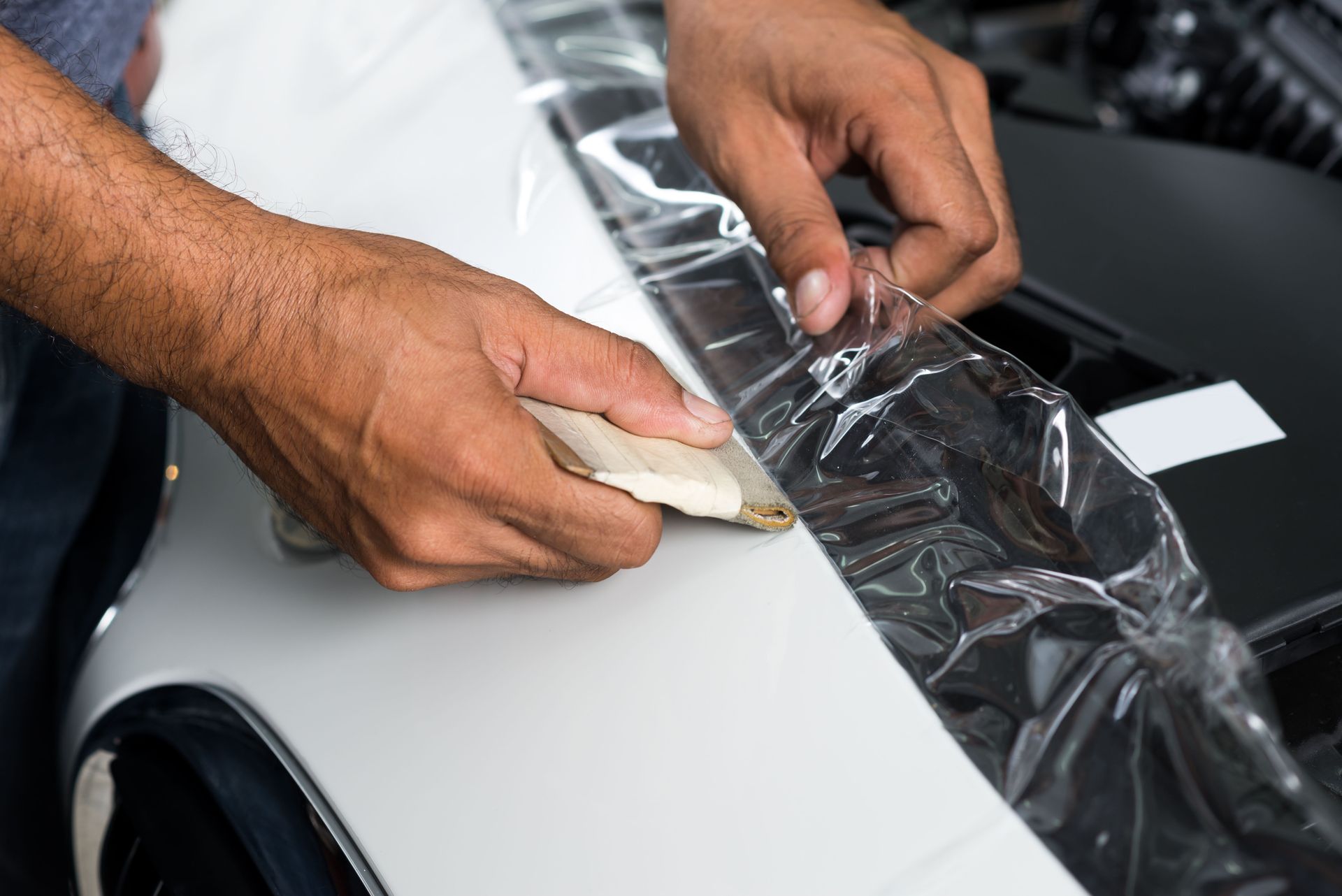
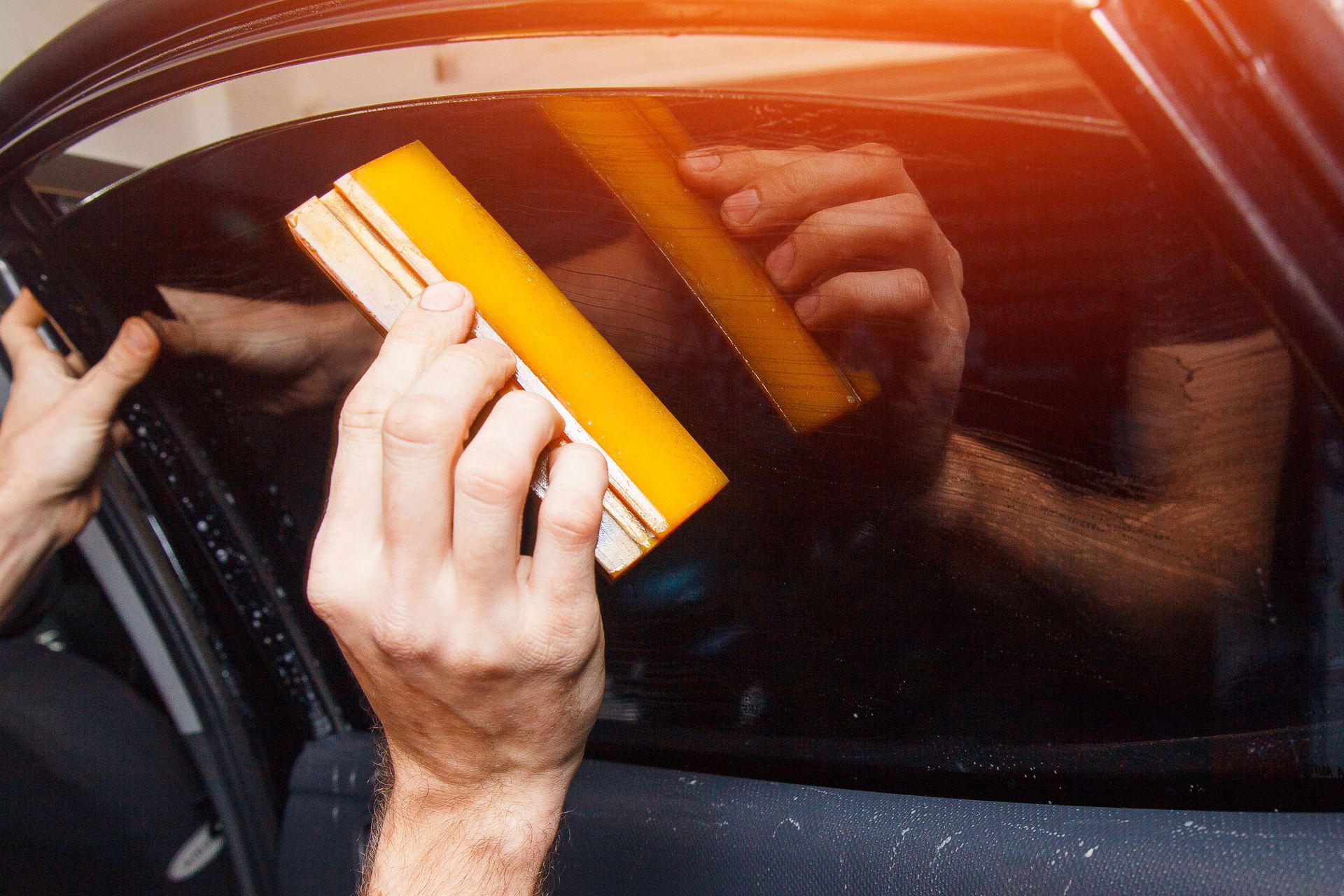
Professional installation can also improve the appearance and durability of the finished tint. Installing window film requires careful preparation and application. Poor workmanship may result in bubbles, peeling, uneven edges, or other visible problems.
Customers can also ask about different film technologies. Available products may offer varying levels of UV protection, heat reduction, glare control, and durability. Understanding these differences can help a driver select a film based on performance rather than darkness alone.
Selecting a Qualified Tinting Provider
Price should not be the only factor when choosing an auto tinting company. Drivers should also consider a provider's reputation, experience, workmanship, materials, and familiarity with applicable regulations.
Customer reviews can offer useful insight into a company's service and installation quality. Comments about communication, professionalism, and the long-term performance of the tint may help drivers compare different businesses. Recommendations from friends and family can also be valuable.
The quality of the film itself is another important consideration. Low-quality materials may fade, discolor, bubble, or peel prematurely. Before scheduling an installation, customers can ask about the type of film being used and whether warranty coverage is available.
Knowledge of Florida's regulations should also be considered. Local auto tinting services should be able to discuss basic legal requirements and explain how different films may affect compliance. A responsible provider should help customers understand potential concerns rather than simply installing any product requested.
Avoiding Penalties for Tint Violations
Drivers who fail to comply with applicable window tint requirements may face legal consequences. An improperly tinted vehicle can result in a traffic stop and citation. The specific consequences can depend on the circumstances and how the violation is addressed.
Even a relatively minor citation can create an inconvenience. The driver may need to spend time addressing the issue and may eventually need to remove or replace the tint. This can make an improper installation significantly more expensive than choosing compliant film initially.
Repeat violations can create additional problems. Continuing to drive with noncompliant tint after becoming aware of the issue may lead to further encounters with law enforcement and additional inconvenience.
Drivers should not assume that tint is legal simply because they have seen a similar vehicle on the road. Another vehicle may have different circumstances, qualify for an exemption, or simply have noncompliant tint.
Maintaining Visibility and Vehicle Safety
Window tint should improve comfort without unnecessarily compromising visibility. While properly selected film can reduce glare from sunlight and headlights, excessively dark windows can make it more difficult to see in low-light conditions.
Night driving deserves particular consideration. On poorly lit roads, drivers already have less visibility and may have difficulty seeing pedestrians, animals, or obstacles. Dark tint can further reduce the amount of visible light entering the vehicle.
Drivers should consider how and where they normally use their vehicles. Someone who frequently drives rural roads at night may have different priorities than someone who primarily drives during daylight hours in well-lit areas.
Modern window films can provide meaningful benefits without requiring extremely dark tint. Local auto tinting services can explain how different products provide UV protection and heat reduction while maintaining appropriate visibility.
Staying Informed About Tint Requirements
Drivers should remember that laws and regulations can change. Before installing window tint, it is wise to confirm current requirements and discuss questions with a knowledgeable professional.
Certain circumstances, including possible exemptions, may involve additional requirements. Vehicle owners should seek reliable information instead of relying on assumptions or outdated advice.
Communication with the installer is also important. Customers should explain what they want from their window tint, whether that includes greater privacy, reduced glare, improved comfort, or UV protection. Local auto tinting services can then recommend products that address those priorities while considering applicable regulations.
Making a Smart Decision About Window Tint
Understanding window tint regulations is an important part of owning and customizing a vehicle in Brooksville, FL. Florida law establishes requirements involving tint darkness and reflectivity, and drivers should consider those rules before selecting a film.
Compliance can help drivers avoid citations, unnecessary expenses, and the inconvenience of replacing improperly installed tint. It can also support safer driving by helping maintain appropriate visibility in different conditions.
Professional local auto tinting services can help customers compare films, understand their options, and choose products that fit their needs. When selecting a provider, consider its reputation, experience, materials, workmanship, and knowledge of applicable regulations. If you're searching for window tint, reach out to the team at American Car Craft 3 today!